

Listed Buildings
Architecture | Design | Passion
Here is a simple example of the tax effect:
Loft apartment, first occupancy, 104 sqm, 3 rooms, shower/bathroom, 2 terraces & garden, turnkey
| Purchase price | €768,553 | Purchase price (after 65% listed building depreciation) | €473,920 |
| Purchase price per m² | €7,380 | Purchase price per m² (after listed building depreciation) | €4,550 |
| Purchase price | €768,553 |
| Purchase price per m² | €7,380 |
| Purchase price (after 65% listed building depreciation) |
€473,920 |
| Purchase price per m² (after listed building depreciation) |
€4,550 |
You can reduce your tax burden by up to €294,633 within 12 years. In relation to the purchase price, this represents a benefit of almost 40% of the purchase price. (Assumptions: renovation cost share 65%, taxable income single €150k, top tax rate)
Listed buildings. Dream homes steeped in history.
Preserving historical value and maximising tax benefits through the heritage depreciation scheme
Living in a historic building means becoming part of that history yourself. Buildings well over 100 years old very often provide a solid framework for renovation and a good foundation for high-quality, modern living spaces offering a unique quality of life. Solid stone or brick walls, lovingly decorated façades, historic timber-framed structures and mature trees are very often a valuable legacy from our ancestors of times gone by.
An experienced team comprising the project initiator, property developer, investor and architects – with over 40 years’ experience in the conversion of listed “Rhenish square courtyards” – is transforming these buildings into unique manor houses and apartments of high quality with significant potential for appreciation.
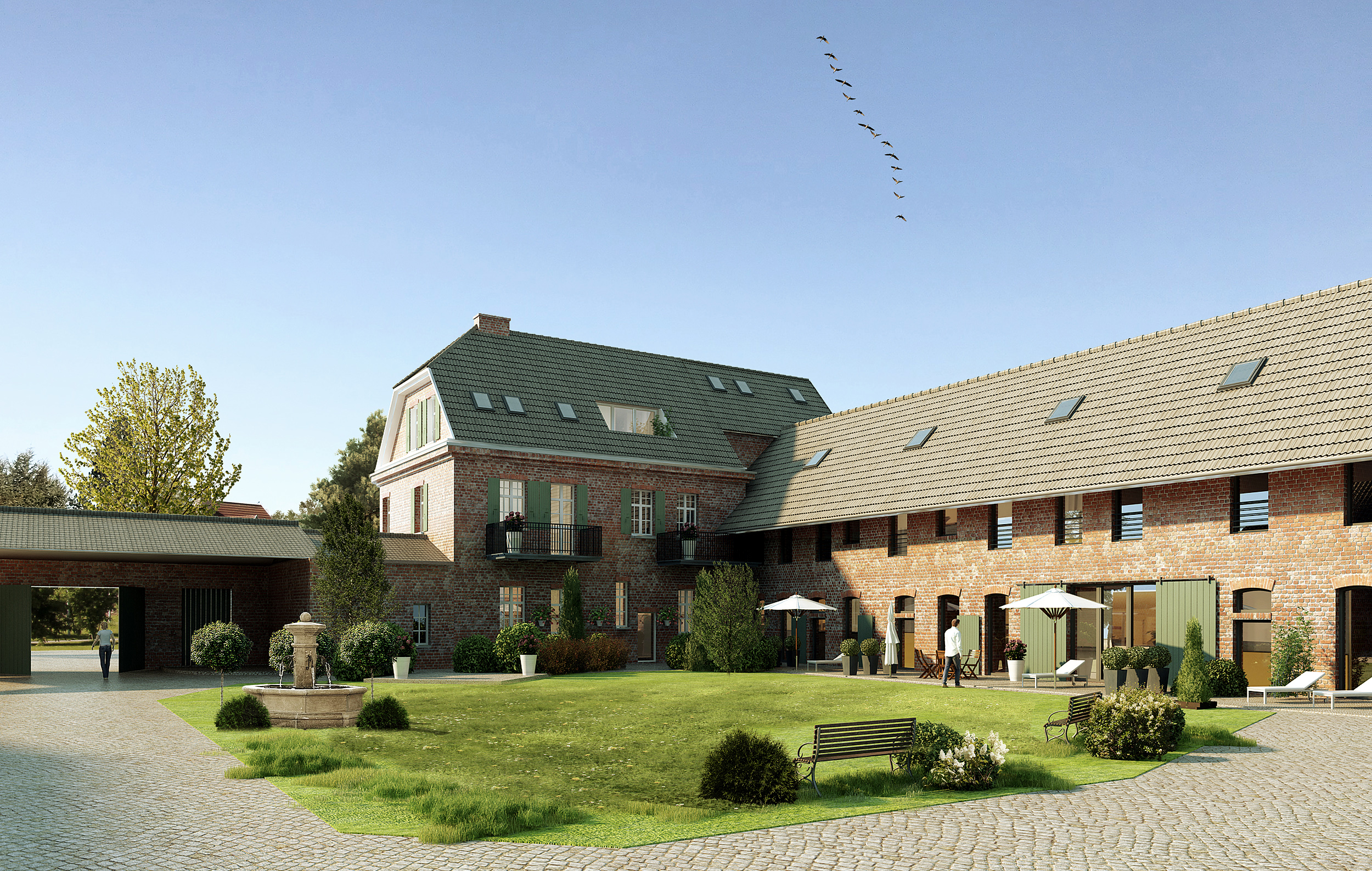
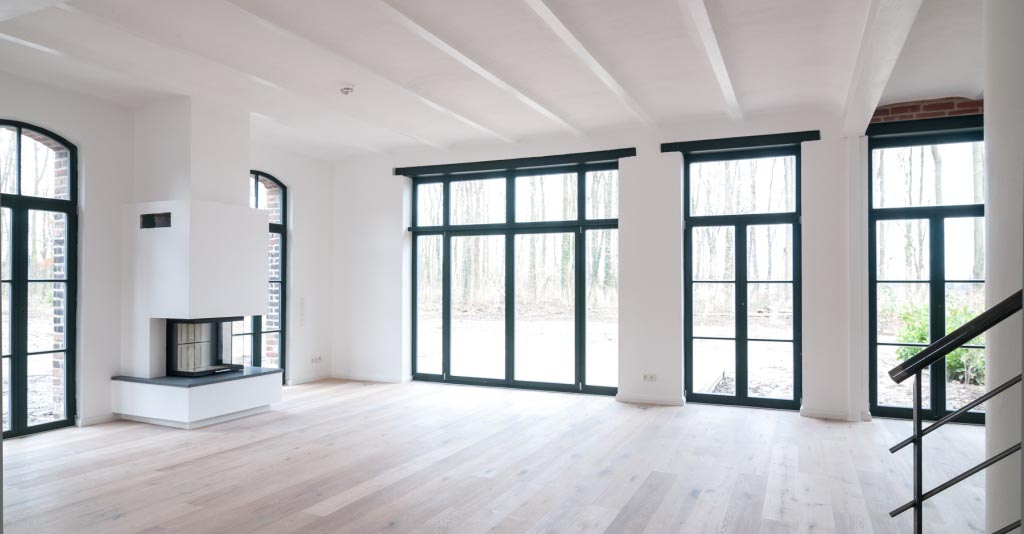
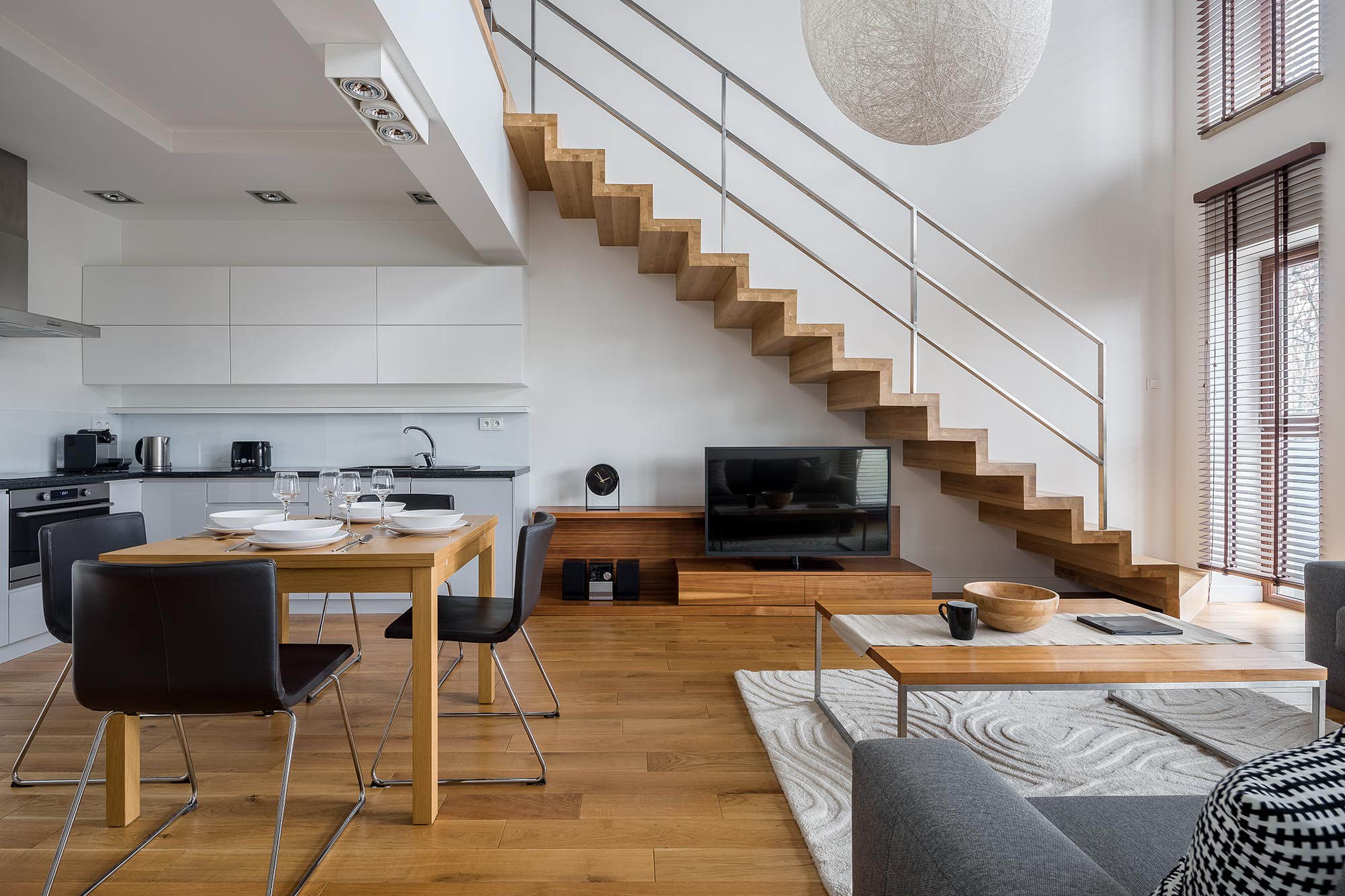
home4you offers these dream homes directly from the developer, with no estate agent’s commission.
These properties, most of which are located in rural areas, share many distinctive features; here are just a few:
- Peace and tranquillity in a rural setting just outside the city of Cologne
- A unique quality of life within a community
- Buildings and gardens, often complemented by orchards or parks
There is, however, one thing that all listed historic buildings have in common: there are never enough of them.
Over the past 40 years, our project initiator has overseen the renovation and subsequent handover of 50 traditional Rhineland courtyard houses, though this amounts to just around one project per year. With 12–20 units per property, these are always snapped up very quickly due to a long list of interested buyers.
Experience shows that once sales begin, all residential units in the listed property will be reserved within a few days and sold within a matter of weeks.
Once sales begin, our construction period of around 24 months will commence, after which we will be able to hand over the turnkey property to you. You still have the chance to influence the final design of your living space.
- Do you have your own ideas about the floor plan?
- Would you like to customise the interior design?
You’re very welcome. During a planning meeting, our architectural practice will tailor the design to your specific requirements, and at a later sampling session, you can choose your personal favourites from a range of options for the bathroom tiles and wooden flooring. For your peace of mind, the purchase is based on a property development contract, under which – in accordance with the Property Development Ordinance – you naturally only make payments as construction progresses. Our investors cover the upfront financing of the entire property.
We therefore recommend the following for your personal preparation:
- Please request information on previous construction projects in good time.
- Why not arrange a free consultation on financing based on these existing documents?
- Take the time to think carefully about your preferences regarding the size, location and style of your ideal home.
- Find out about our current listed properties and register today for future listings.
You will then receive comprehensive information and prices regarding our latest development projects in the field of listed buildings at the same time as all other interested parties.
On request, we can offer you very attractive interest rates through our financing partners and would be happy to provide you with a general tax and profitability calculation for listed buildings, free of obligation, to serve as a basis for your discussions with your tax adviser.
But first, would you like to see what we’ve built over the past few years and handed over to our satisfied customers?
In our brochure “Heritage Tour” We have listed a selection of properties from the last 40 years, complete with names and addresses. Why not set off on this tour on a sunny weekend and see for yourself the quality and standard of living our properties offer?
Of course, we can’t invite you inside the buildings, but do take a look at our listed buildings – and perhaps you’ll catch a glimpse or two through the old barn doors and large windows into the wonderfully bright and modern living spaces of these renovated listed properties.
Your benefits at a glance:
- Unique architecture & a light-filled interior
- An idyllic and peaceful residential area outside the major cities, with a special charm
- Significant tax benefits and savings through heritage depreciation under Section 7i of the Income Tax Act (EStG), amounting to approximately 65–68% of the purchase price
- KfW funding with a non-repayable grant of up to €40,000
- Close proximity to excellent transport links: motorway access to Düsseldorf, Aachen and Cologne
- Countless leisure activities in the immediate vicinity
- Completion and construction schedule certainty
- Turnkey purchase at a fixed price
- Exceptionally high potential for capital appreciation
Did you know? We are currently marketing a range of residential units from our new development, “Gut Nauenhof“, in Willich. We would be happy to discuss the benefits of a listed property with you and guide you through the investment process. Whether it’s calculating returns or tax savings, we’re here to advise you. Contact us!
Listed buildings. High returns thanks to substantial additional tax depreciation
Listed buildings. High returns thanks to substantial additional tax depreciation
The state can only partially fulfil its duty to preserve cultural heritage and therefore offers owners of listed buildings significant tax incentives in accordance with clear regulations. Expenses incurred in the renovation of listed buildings are eligible for depreciation, and these offer the highest tax benefits.
The state can only partially fulfil its duty to preserve cultural heritage and therefore offers owners of listed buildings significant tax incentives in accordance with clear regulations. Expenses incurred in the renovation of listed buildings are eligible for depreciation, and these offer the highest tax benefits. Experience shows that real estate ownership makes a significant contribution to asset accumulation and security of tenure.
Both owner-occupiers and landlords who let out their properties can benefit from significant tax savings through the income tax depreciation allowance for listed buildings under Section 40 of the German Heritage Act (DschG) in conjunction with Sections 7i and 10f of the German Income Tax Act (EstG).
The construction costs incurred for each property in question can be claimed as income-related expenses or special expenses on your income tax return over a period of ten or twelve years, thereby significantly reducing the overall costs.
Historically low interest rates, rising inflation and the current debate surrounding the security of the euro and financial investments in general are also contributing to high demand and value stability for tangible assets.
Anyone who buys a listed property saves on tax
However, carrying out the conversion yourself also entails certain risks, which could result in you losing out on financial incentives due to a lack of knowledge of heritage protection regulations. You should therefore rely on experienced partners who have been converting large heritage properties into residential units and renovating them for many years. This offers several advantages:
- Solidly built properties, some of which have a history stretching back hundreds of years and have been renovated to the highest modern standards to enhance your quality of life.
- Low risk, maximum benefit.
Our sample calculation illustrates the enormous potential for savings offered by the increased depreciation allowance for listed buildings. The tax benefits arise mainly from the higher depreciation rates for property renovation – that is, the proportionate investment costs.
They can be fully claimed for tax purposes over a period of several years. However, the property must be let in order to qualify for 100% depreciation of the proportionate investment costs. In this case, the renovation costs can be fully deducted over a period of twelve years. Nine per cent of the total may be depreciated in the first eight years, and seven per cent in the remaining four years.
If, on the other hand, you wish to move into the listed property yourself, you can still claim 90% of the modernisation costs – over a period of ten years.
So reduce your tax burden and make the most of the capital you’ve freed up. This is a completely legal way to save on tax, and by purchasing a property, you can even boost your wealth accumulation.
Your personalised profitability calculation created by experts

Whether as an investor or for your own use, the purchase of a renovated historic property pays off for you in several ways: in addition to the standard depreciation on the old stock, experience has shown that our listed properties offer high tax benefits through depreciation on the purchase price.
Invest in a piece of history with the profitability calculation.